


Tooth Extractions - Fresno, CA
Don't Let One Tooth Spoil Your Smile! Get Painless Extractions for Lasting Results

Painless Dental Treatments

Swift Same-Days Solution

Flexible Payment Options

Emergency Dental Care
Why Choose Haraz Dental for Tooth Extractions?
If the tooth gets to a stage where it’s causing so many problems, then tooth extraction is considered the last solution. It could be because of an infection, a really bad cavity, or if your teeth are too crammed together. The reason does not really matter; just schedule an emergency appointment with our dental professionals at Haraz Dental in Fresno, CA, and you will get comfortable treatments from all of our highly trained dentists who specialize in painless surgical extractions and full tooth extractions.
Let us build confidence so that you can enjoy overall oral health. We offer immediate solutions to your dental problems to increase your confidence in the care and also we deliver amazing results and peace of mind.
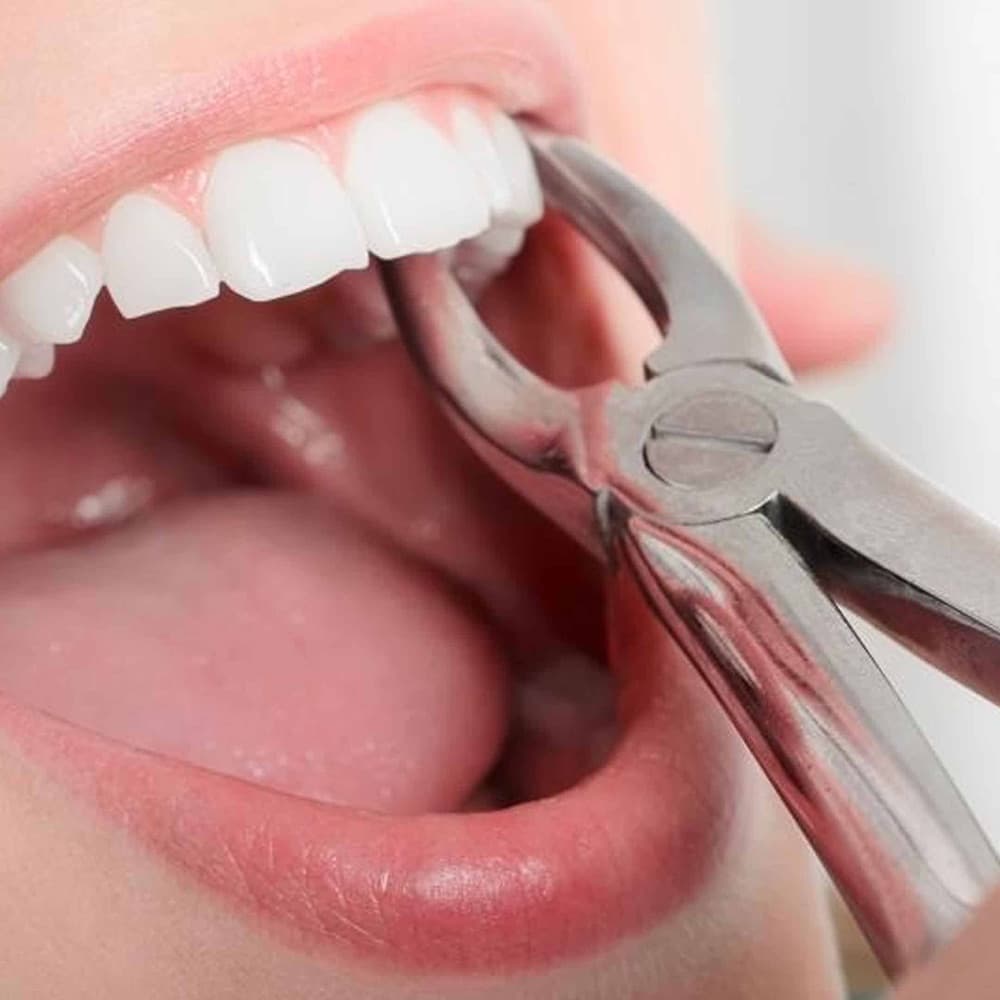
What does tooth extraction mean?
Dental extraction is one of the basic dental surgery procedures where a tooth is gently and carefully pulled out from its site in the jawbone. When a tooth is heavily damaged, extensive decay, receding gums, or other dental issues occur, then this procedure is suggested. It is also needed in many cases as a preliminary treatment for orthodontic procedures like braces as well.
In this procedure, the dentist first applies local anesthesia to the area, gently loosens the tooth, and then takes it away. Following the doctor's prescription after the teeth extraction is mandatory for proper and fast recovery. We may also talk about other aesthetic alternatives like dental implants or bridges, but those actual procedures depend on your specific case.

Why does a tooth need to be extracted?
This procedure is done for several reasons and complications, but here are the five most common reasons for teeth extraction:
Tooth's decay
Actually, one of the main reasons for tooth removal is to prevent complete loss of teeth, which happens as a result of tooth decay.
Gum Disease
The untreated dental plaques can progress to cause gum diseases, which in turn can be a possible source of tooth destruction.
Infection
If you have an infected tooth and the infection is developing, removing the infected tooth will prevent that infection from spreading all over the mouth or the entire body.
Overcrowding
Extraction can be a good option if the teeth may be overcrowded in the mouth, resulting in misalignment and other dental problems.
Impacted Wisdom Teeth
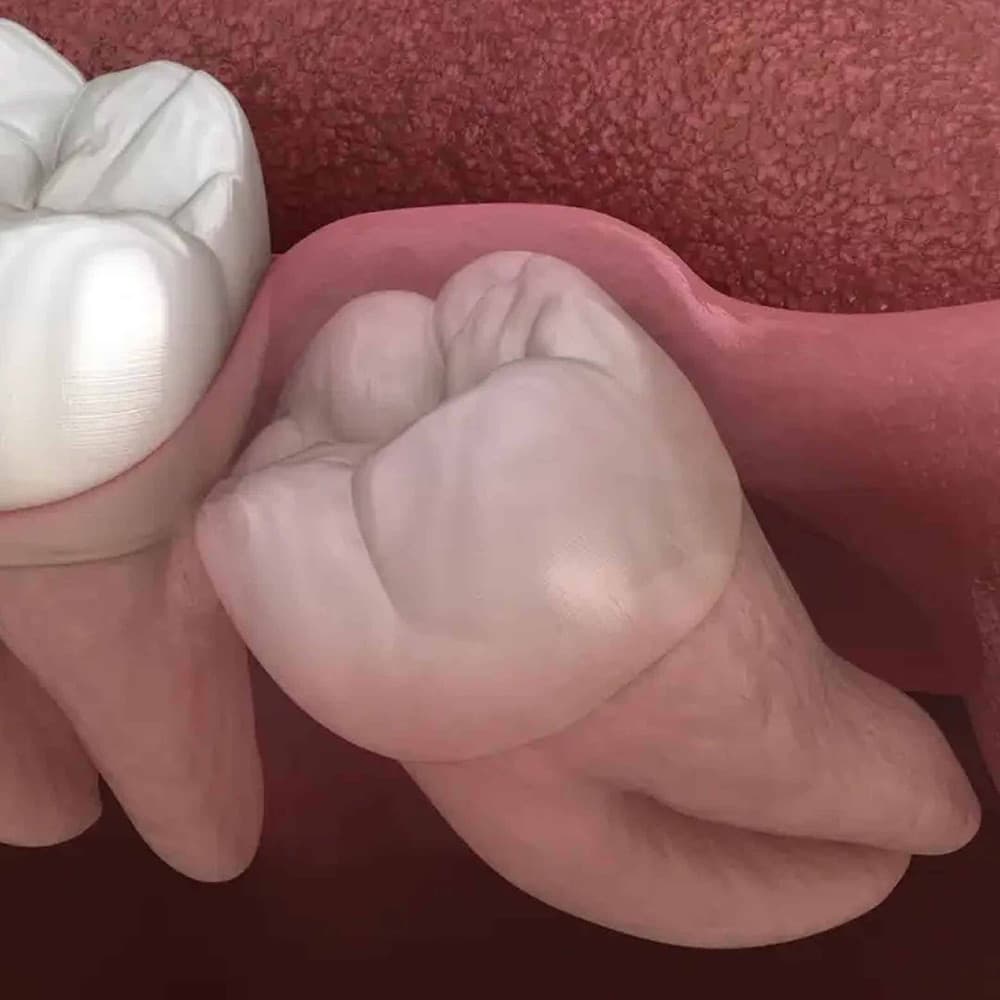
If wisdom teeth are impacted or threatening to cause severe pain, the procedure to take them out is performed to avoid further alignment problems like crowding.
Tooth Breakage
In cases where a tooth is badly damaged or rotten, tooth removal may sometimes be necessary to avoid any additional infection or complications.

How much does a tooth extraction cost in California?
The price of getting a tooth pulled may differ based on a number of things, including the point where the tooth is located, whether the procedure is complicated or not, and whether you will be given local or general anesthesia.
Normally, straightforward dental extractions can require less money than those in the case of surgical extractions. Moreover, the area you live in has an impact on how much you shall pay for the extraction since the cost is going to be relative to an area's cost of living and the particular type of dental provider. Dental insurance affects the treatment expenses too. Discuss with your dentist or oral surgeon a personalized one depending on your goals and treatment specifications.
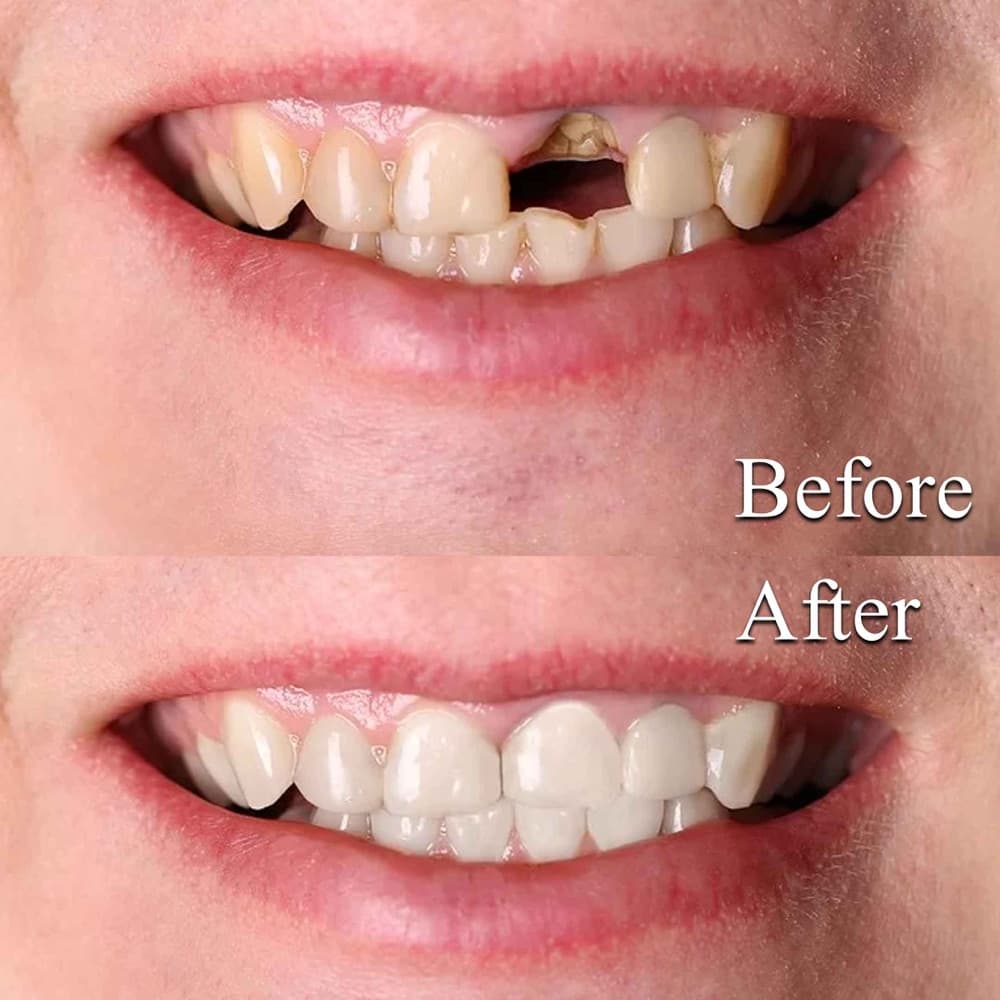
What is the procedure for tooth extraction?
Here, we will discuss the complete procedure of teeth extraction:
Assessment
The dentist starts by asking the patient about their dental and medical history and may take dental X-Rays in order to see how the tooth is its root and the condition of the neighboring bone.
Anesthesia
For this purpose, local or general anesthesia is administered to the region where the tooth is, to allow the patient to feel numb and comfortable. In particular cases, conscious sedation may be applied, especially for the most complicated extractions or cases with anxiety and complications.
Tooth Loosening
Doctors use dental instruments; they just gently tap the tooth from side to side in order to loosen it. For impacted or implanted teeth or multiple roots teeth, surgeons will need to use some tools to section the pulling tooth. This makes it helpful for them to extract the tooth easily.
Dental Extraction
When the tooth is completely loosened, the dentist uses tweezers to grasp the tooth carefully and slowly pull it out of its socket. In other situations, one can opt for a surgical treatment that involves opening a very small cut on the gum to get directly to the tooth.
Cleaning the Socket
After the extraction, the surgeon then cleans out the socket (the bone content that held the tooth in its place) in order to clear away any other deposits or contaminations that may be found. This is a first step for complete recovery.
Stitches (if needed)
It may be done by fastening stitches to have the gum's tissue. To know the specific method, the dentist of tooth removal must examine and plan the treatment necessary for the patient. A suture is often needed for surgical extractions or circumstances when another support is needed for the correct and fast healing.
Post-Extraction Car
The surgeon will give the patient detailed aftercare instructions on what to do after the extraction. It contains essential points regarding dealing with any pain, swelling, or bleeding. Patients must use a soft diet, leave out some activities they usually do, and maintain proper oral hygiene without touching the extraction area.
Follow-up
You may end up scheduling a date for a follow-up to check on how the healing is going. During the surgery, the dentist will check for any signs of infection or risks and might want the patient to remove any stitches that were put in earlier.
What are the side effects of a tooth extraction?
After extraction, the healing process will involve following the post-extraction instructions and guidance that your teeth extraction dentist will provide. That blood clot was in the extraction area, preventing the nerves and bone from being injured.
The swelling and the appearance of the bruises could be present too; ice can help ease these problems. Diet restrictions, including avoiding a hard or spicy diet, are prescribed to avoid the possible irritation of this site. While oral hygiene is important, it is essential to avoid touching the site of healing. Patients are not allowed to do any major activities that can hinder the healing process such as smoking, using a straw, and strenuous physical exertion.
Frequently Asked Questions (FAQ)
How long does it take to recover from a tooth extraction?
It depends on the complexity of your case. However, most people feel back to normal in just a few days. While you'll be able to return to routine activities within 48 to 72 hours, it usually takes the jawbone several weeks to heal completely.
How long after a tooth extraction can I eat?
Waiting at least 24 hours before eating anything following a tooth extraction is essential to avoid disrupting the healing process. During this time, drink plenty of fluids, such as water or liquid foods, to stay hydrated.
What are you not supposed to do after tooth extraction?
Don't drink with a straw, suck on candy or ice pops, slurp soups or other liquids, rinse your mouth vigorously, or smoke for 24 hours. These things create suction in the mouth. This may dislodge the blood clot. Don't drink alcohol or use mouthwash containing alcohol for 24 hours.
Patients Reviews About Tooth Extractions
With over 2,700+ Google reviews and an impressive average rating of 4.8, we take great satisfaction in being the top dental clinic in Fresno, California. Our commitment to excellence is shown in the overwhelming testimonials from happy patients who have experienced the best dental care from our dentists on Fresno streets.


Copyright © 2024 Design & Developed by HARAZCo. Ltd