


Oral Cancer Screening - Fresno, CA
Early Detection Saves Lives: Get Screened for Oral Cancer Now

Painless Dental Treatments

Swift Same-Days Solution

Flexible Payment Options
Emergency Dental Care
Why Choose Haraz Dental for Oral Cancer Screening?
Do you want a smile that shines with it? Maybe you are suffering from dental issues that can take away your confidence from you inside and out. We here at Haraz Dental in Fresno, CA, feel that a healthy mouth goes hand-in-hand with a lovely smile. That's why we emphasize routine periodic mouth cancer screenings for all.
Such quick and painless tests are indeed saving lives by timely detection making one immune to oral cancer. Do not wait for symptoms – schedule your oral cancer screening with our experienced and expert team now! Let us assist you in keeping a healthy smile that you'll surely be proud of.
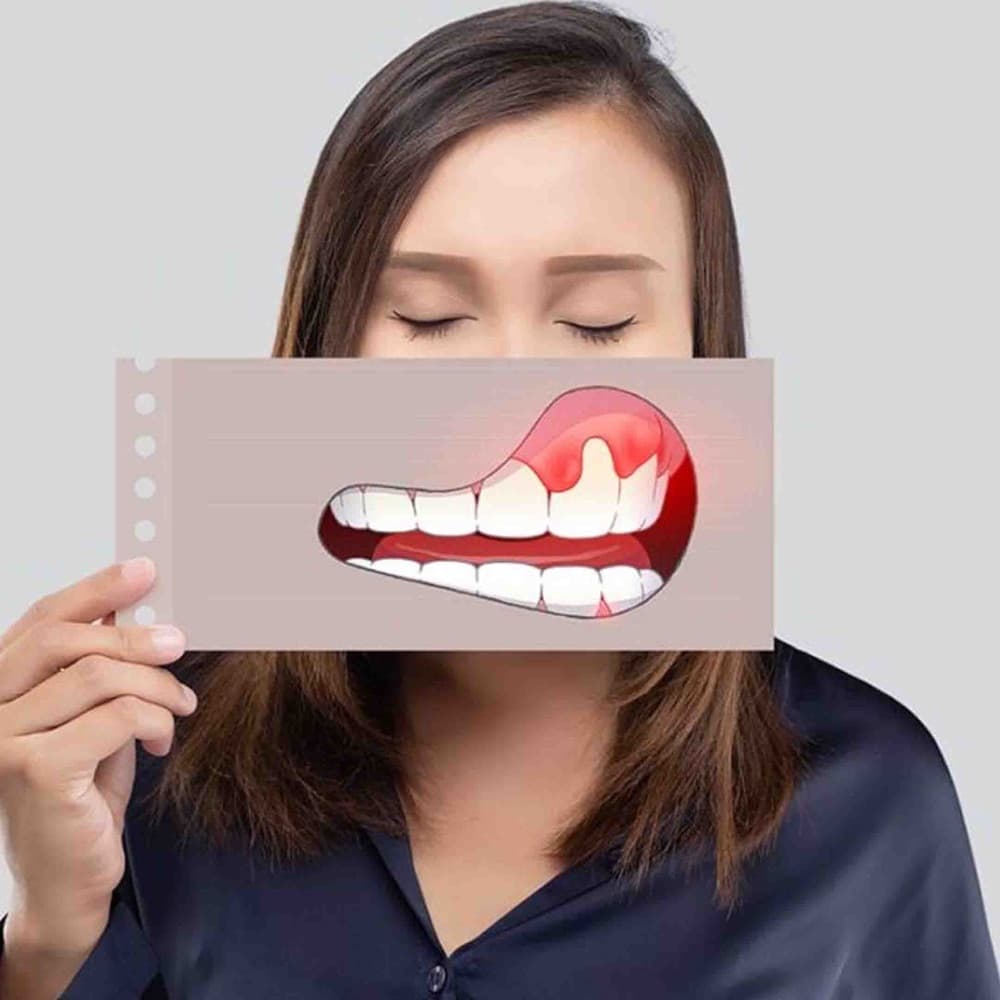
What is Oral Cancer Screening?
Oral cancer screening is a short hospital check-up by your dentist to look for symptoms of oral cancer early. It doesn't hurt at all and is critical because detection of cancer at an earlier stage guarantees better chances of overcoming it.
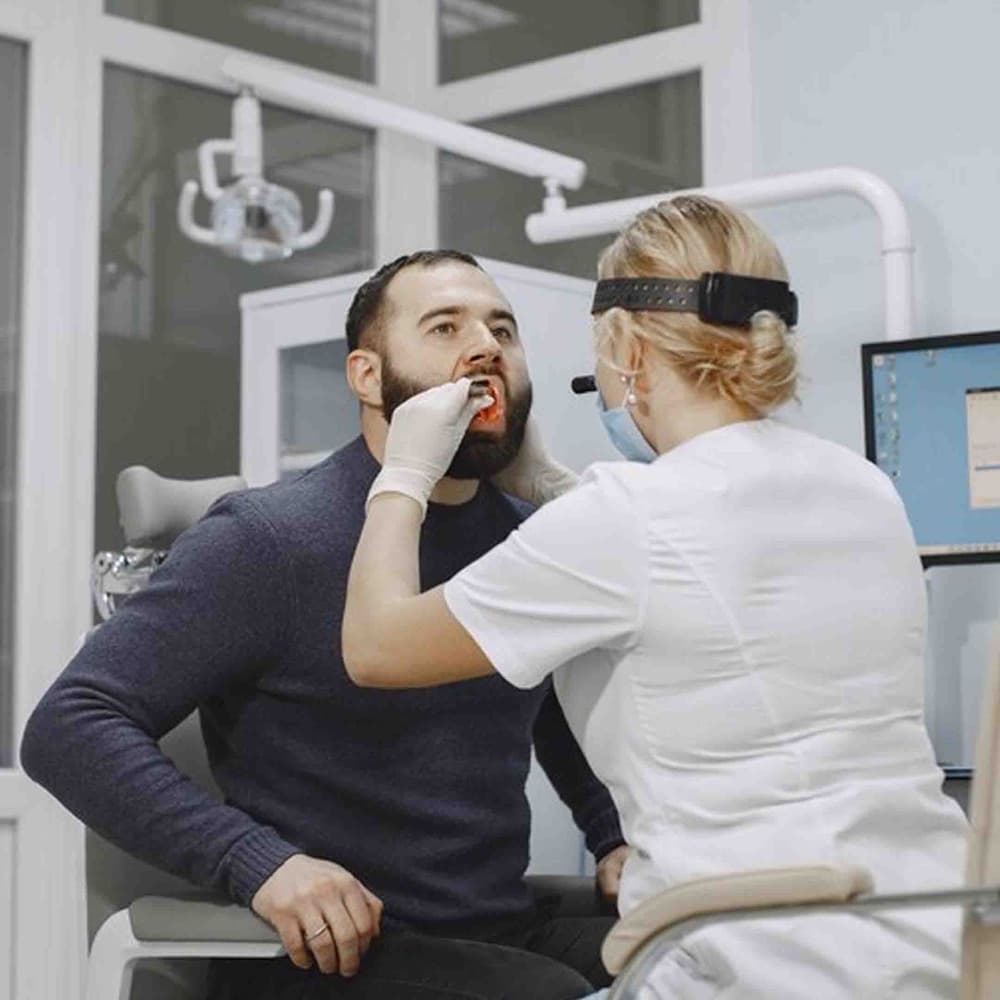
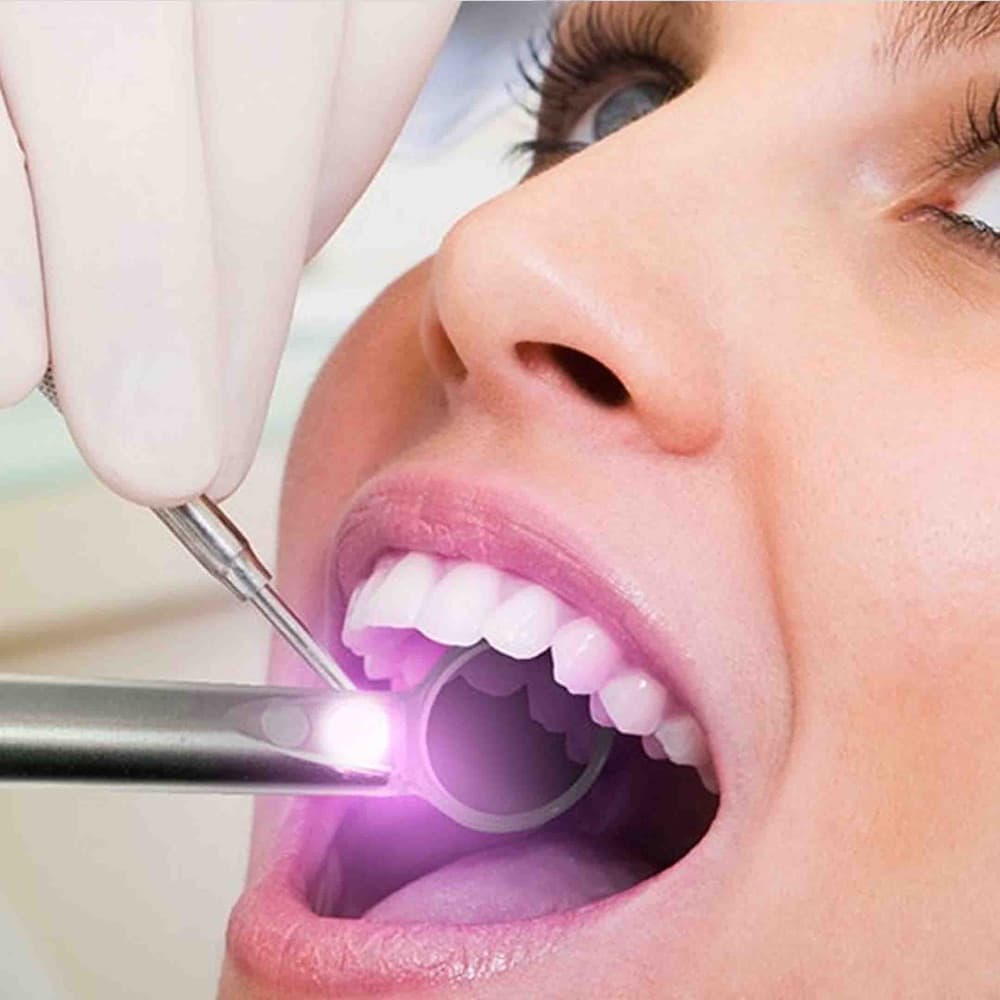
The dentist's task is to examine your mouth here. The dentist does it by placing a mirror and a light there and looking for something strange. After that, the dentist might also feel your cheeks and neck. If they get something unusual, they may ask for further tests. Do not delay screening from today; regular screening is the key to the healthy mouth you are looking for.
Why do you need a screening test for oral cancer?
Oral cancer test is important for several reasons;
Early Detection
Screening can help to find oral cancer in its first stage when it is simple to cure and has a higher probability of successful treatment.
Preventive Care
Regular screening can detect precancerous lesions or anomalies, allowing for early intervention to prevent the development of oral cancer.
Risk Assessment
Screening helps determine an individual's risk factors for oral cancer, such as tobacco use, alcohol intake, and family history, allowing for tailored preventative efforts and lifestyle changes.
Improved Prognosis
Early detection by oral cancer light screening raises the likelihood of effective treatment, decreases the need for extensive interventions, and improves patients' overall prognosis and quality of life.
Education and knowledge
A mouth cancer x-ray raises knowledge among patients and healthcare providers about the signs and symptoms of mouth cancer, resulting in earlier intervention and better disease management.

Key Factors for Developing Mouth Cancer
The main components for developing mouth cancer are;
Tobacco and Alcohol Use:
Individuals who smoke and drink heavily are more likely to acquire mouth cancer since these chemicals can interact synergistically to induce malignant growth.
Heavy Alcohol Intake:
Excessive and prolonged alcohol intake is closely linked to an elevated risk of oral cancer. Alcohol can react to the cells that line the mouth and throat, which may lead to cancer development.
Human Papillomavirus (HPV) Infection
Some HPV strains, especially HPV-16 and HPV-18 have been related to a higher chance of mouth and throat cancer especially among young people.
Poor Oral Hygiene:
If there is no oral hygiene daily, such as brushing often, flossing, and regular dental visits, the multiplication of bacteria or the formation of plaque will do, and some dental diseases will be there, leading to the risk of oral cancer.
Sun Exposure
Excessive or unprotected exposure to sunlight over time may cause lip cancer, specifically, in the fair-skinned person.
Age and Gender:
With growing age males get more oral cancer than females.
Previous Mouth Cancer:
People who have had mouth cancer before are more likely to develop it again.
It is crucial to emphasize that while certain risk factors may raise the likelihood of acquiring mouth cancer, not everyone who has them will develop the disease. However, minimizing exposure to these risk factors through lifestyle modifications and regular tests can help to reduce overall risk and improve oral health outcomes.
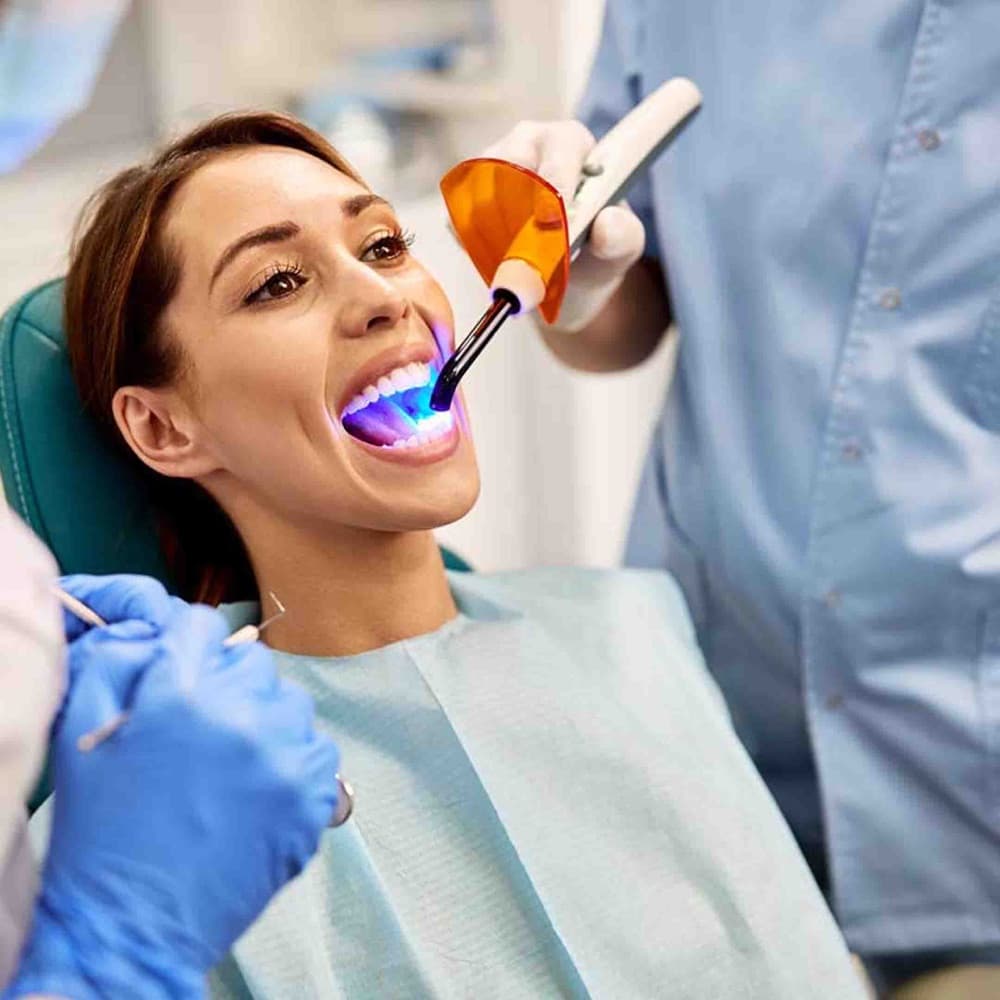
How do dentists check for oral cancer?
During a teeth examination, the dentist goes through two steps, the first is to examine your mouth with utmost care for any possible signs.
Visual Examination:
Your dentist will be utilizing a bright light and a small mirror, to check all parts of your oral cavity like your tongue, cheeks, gums, mouth, floor, and roof. They'll be specifically looking for any of the following;
Through ulcers and the red and white spots that can be noted on the soft areas of the body.
The open sore that doesn't go away and can't be explained.
The existence of any different lumps or bumps.
Physical Palpation:
Visually examining your mouth, the cancer dentist will use gloves and feel your cheeks, neck, and floor of your mouth with a gentle touch. This manual inspection enables the detection of any possible abnormality that may not be spotted during the visual screening.
How much does oral cancer screening cost?
The anticipated cost of a basic oral cancer screen during a standard dental checkup is $50 to $200. Depending on the procedures and healthcare practitioner, more advanced testing, such as biopsies or imaging investigations, might cost anywhere from $200 to $2,000 or more.
It is necessary to consult with your doctor or insurance company for the exact cost of the treatment, which will depend on your particular needs and coverage before you decide to undergo any treatment.
Detection Tests For Mouth Cancer
These tests are mainly used while screening but other tests might be suggested whenever something suspicious is detected. These additional tests could include;
Toluidine Blue Stain
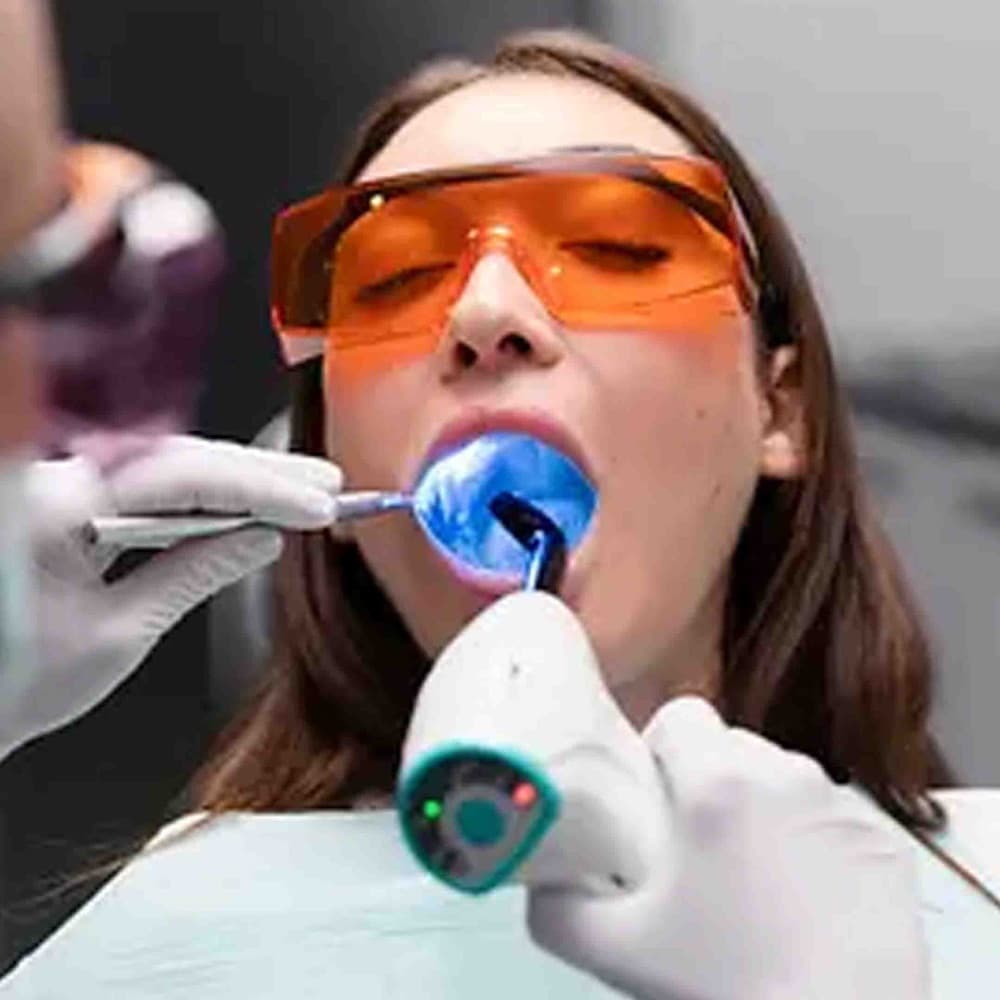
Specially treated blue dye is applied to your mouth for better visibility of any irregularities that may have been missed during the visual exam.
Brush Biopsy:
Cells are taken from a questionable site having a brush to be seen through a microscope for further examination.
Regular mouth cancer xray are a necessary component of keeping oral health in the best condition. They are painless, not taking much of your time, and can discover the disease when it is early. This process can save your life – early detection is critical. If you have any worries, or if If you are not current with your last checkups, call your dentist and set up an appointment today.
Risk of Oral Cancer
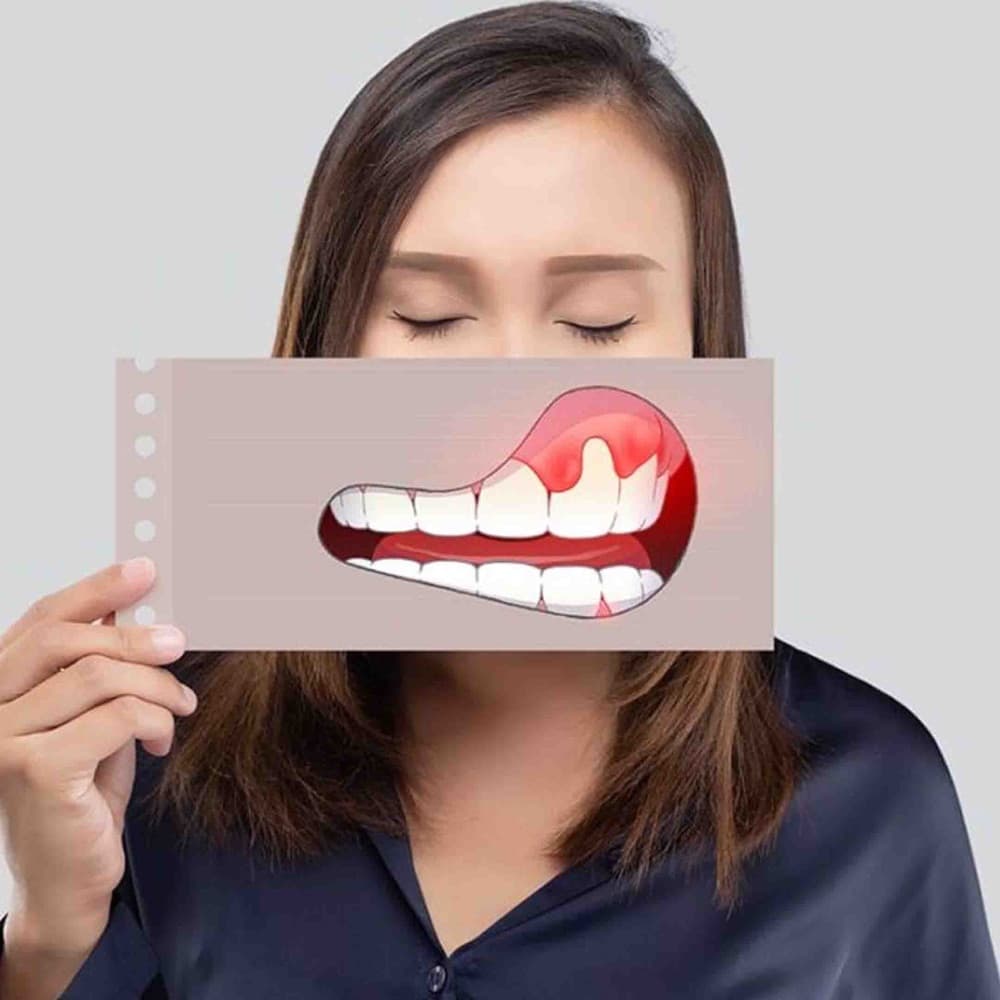
Although oral cancer screenings are crucial for early diagnosis, they do have certain possible drawbacks, just like any medical procedure. Here are some of those;
Discomfort
While the screening itself is not invasive, some people may experience minor discomfort during the visual exam.
Anxiety
Some people may get scared once knowing that they can inherit cancer because of gene mutations. If you fear going to the dentist or have ever had mouth sores, the screening may be a cause for concern.
False Positives:
Occasionally, the screening test turns up abnormalities that are not really cancerous. This can lead to further tests and biopsies as well as worry over something that doesn't exist.
False Negatives:
No screening is foolproof. There's a chance the screening might miss an early cancer.
Risks with Biopsies:
When a targeted site is found, a biopsy may be needed to confirm cancer. These are mostly safe but bleeding or infection at the treatment place may occur.
However, since the inception of oral cancer screening, most people today can gain access even if only by visiting their own dentist. To have a good chance of beating oral cancer, early detection is absolutely necessary and outweighs any potential downsides. If you're worried about the risks, speak to your dentist about how and where the oral cancer screening is done.
Frequently Asked Questions (FAQ)
Is oral cancer screening worth it?
With frighteningly high fatality rates, early detection is the key for timely diagnosis and treatment. Routine screenings give you the best chance for finding oral cancer in its early stages.
How to self check for oral cancer?
Tilt your head back to inspect and feel the roof of your mouth. Pull your cheek out to inspect it and the gums in the back. Pull out your tongue and look at its top and bottom. Feel for lumps or enlarged lymph nodes (glands) in both sides of your neck, including under the lower jaw.
What does stage 1 mouth cancer look like?
In the early stages, mouth cancer rarely causes any pain. Abnormal cell growth usually appears as flat patches. A canker sore looks like an ulcer, usually with a depression in the center. The middle of the canker sore may appear white, gray, or yellow, and the edges may be red.
Patients Reviews About Oral Cancer Screening
With over 2,700+ Google reviews and an impressive average rating of 4.8, we take great satisfaction in being the top dental clinic in Fresno, California. Our commitment to excellence is shown in the overwhelming testimonials from happy patients who have experienced the best dental care from our dentists on Fresno streets.


Copyright © 2024 Design & Developed by HARAZCo. Ltd