


Root Canal Therapy - Fresno, CA
Tooth in Trouble? Save Your Tooth with Expert Endodontist of Fresno

Calming Nitrous Oxide Available

Swift Same-Days Solution

Flexible Payment Options

Emergency Dental Care
Why Choose Haraz Dental for Root Canal Therapy?
If you are experiencing constant toothaches, sensitivity to hot or cold, swelling of the gums, or discoloration of the tooth, you may book a consultation to cure root canals with our best endodontist in Fresno, CA. Our endodontists are committed to providing same-day exceptional root canal therapy at affordable rates. It is a worthwhile choice for saving your natural teeth, maintaining oral health, and offering you a pleasing aesthetic smile
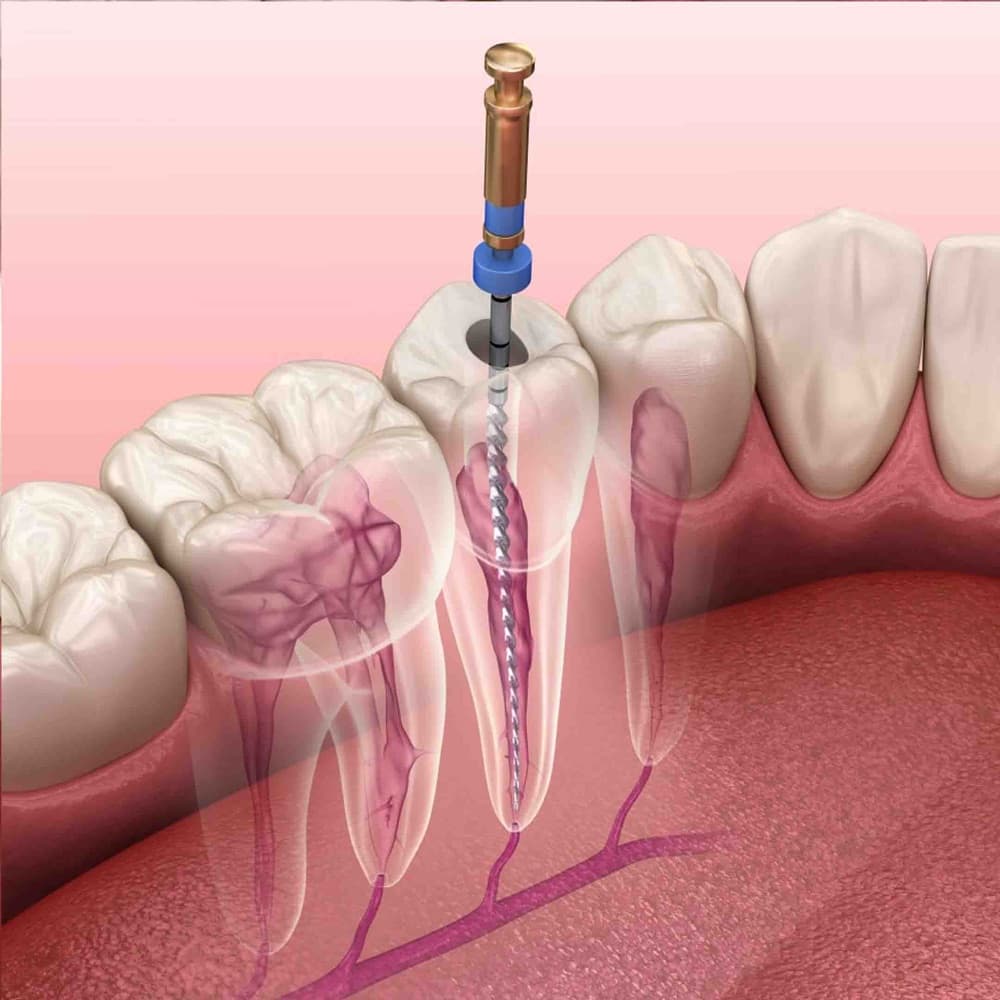
What is a Root Canal?
A dental procedure in which dentists heal your tooth that has been damaged or infected inside is called the pulp. The pulp carries nerves and blood vessels, and when it gets damaged or injured, it can cause awful pain. During this procedure, the dentist attentively removes the damaged or infected pulp, cleans the inner part of the tooth, and then seals it to protect you from any further issues.
The purpose of this process is to reduce pain, save the natural tooth, and restore normal tooth function and health. After a root canal, a tooth is most of the time protected with a crown, which is called a cap, to give you additional strength and protection. In short, a root canal is one of the common and effective ways to treat dental problems and restore the natural health of a tooth.
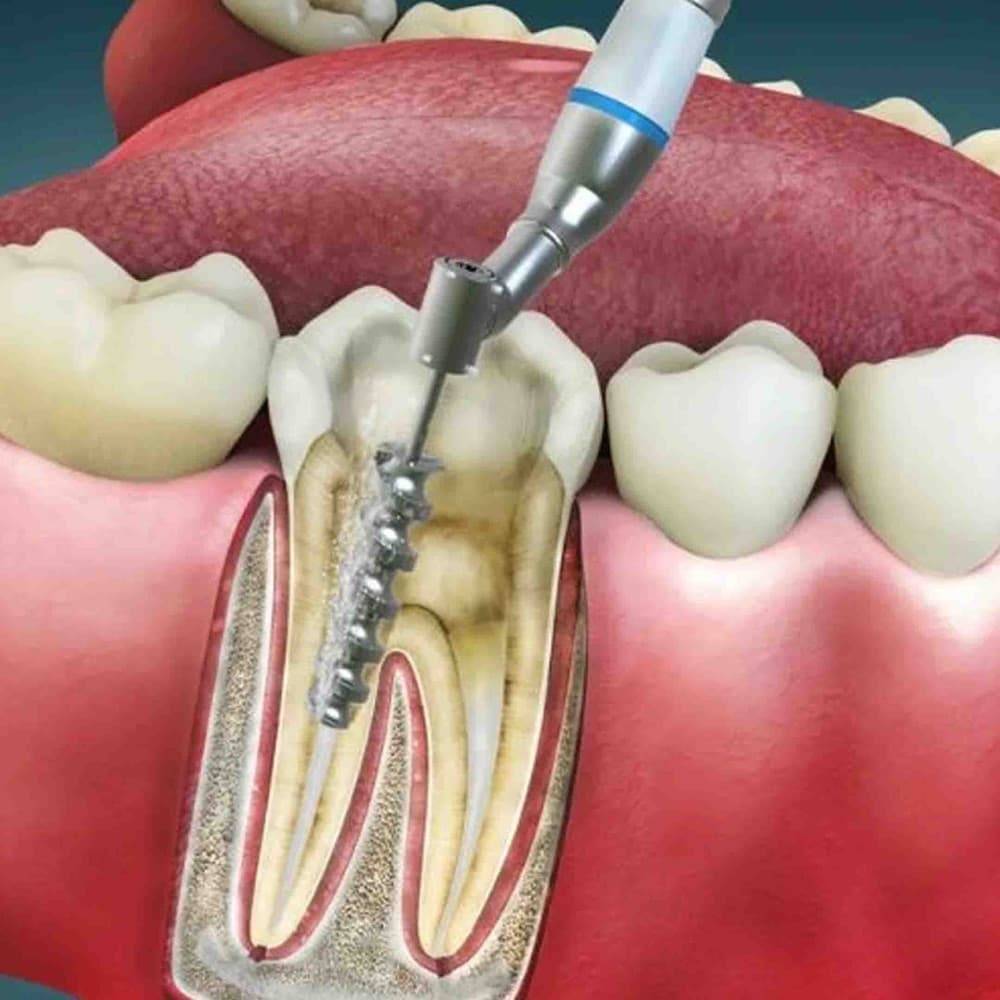
How do you know if you need a root canal?
The majority of the people request me to tell them why I need a root canal. Thus, a root canal is generally the recommended treatment for people who have a tooth with damaged or infected pulp. If you have severe pain in your tooth that won't go away or your tooth is too sensitive, your dentist might recommend a root canal. Many common scenarios may tend you for a root canal, including serious tooth decay, deep cavities, or dental injuries that have badly impacted the inner part of your tooth.
Symptoms such as continuous toothache, sensitivity to hot or cold, swelling, and a pimple or rash on the gum based on the specific condition of your tooth may elaborate the need for a root canal. This process is recommended for minimizing pain, saving the natural tooth, and protecting it from the spread of infection.
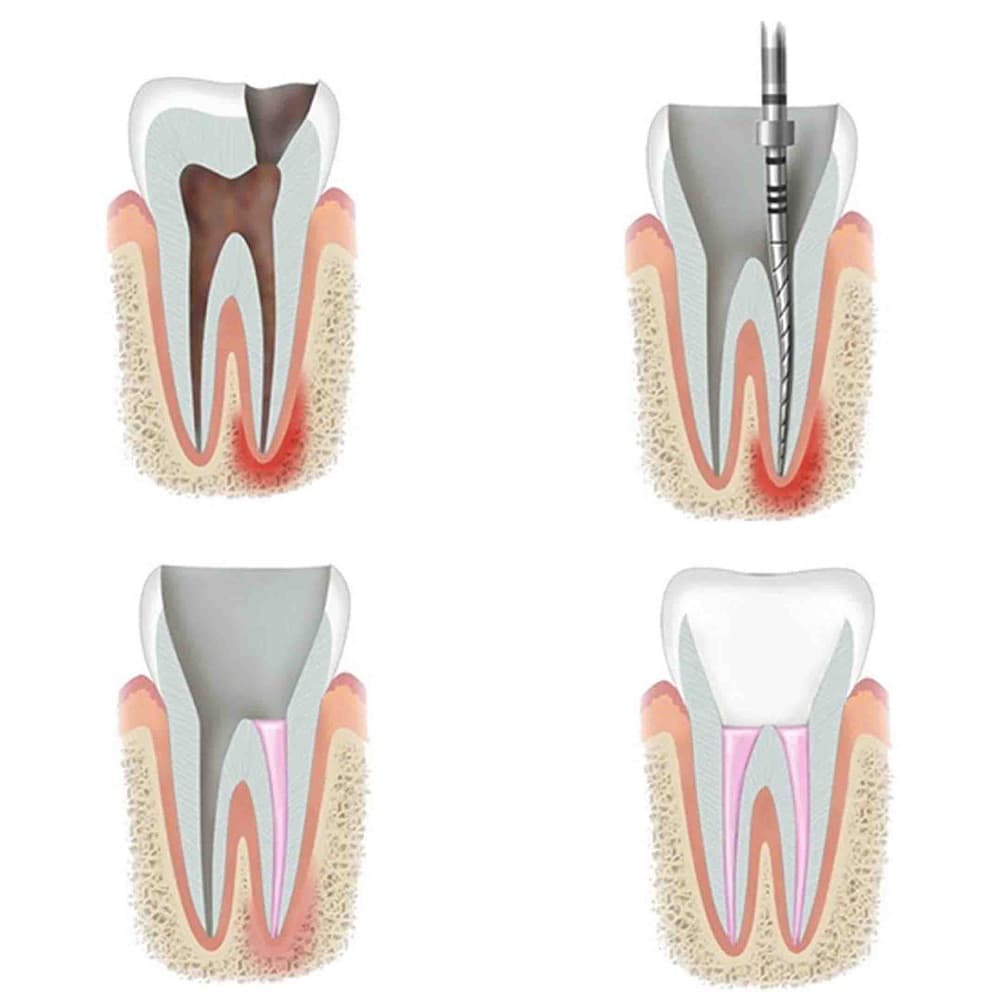
What is a root canal procedure?
The complete procedure for a root canal generally involves a few steps, which are as follows;
Root Canal Consultation
ave a proper consultation with your dentist to learn the requirements for a root canal. The dentist will examine the current condition, including X-rays, to determine the type of tooth pulp.
Discussion and Informed Consent
The dentist will talk about the findings, explain what the root canal process is, and describe any concerns or questions.
Preparation
On this day, the dentist will provide you with local anesthesia to numb the targeted tooth and the neighboring place; the patient's comfort is kept in mind during the process.
Isolation and Access Opening
The dental surgeon will implant a dental dam around the infected teeth to make them dry and free of lubrication. An entrance opening is then made in the tooth's crown to reach the pulp's chamber.
Pulp Removal
The infected pulp is slightly extracted from that chamber and root canals using particular tools and techniques. The root canals are now fully cleaned and shaped to go for the filling
Cleaning and Disinfection
The dental provider cleans and sanitizes the inside of the tooth to extract any leftover bacteria, debris, pulp, or infection.
Filling
After performing the cleaning procedure, they are filled with a polymer-based substance called Gutta-Percha to shut that diseased site and prevent reinfection.
Sealing the Access Opening
Post-Procedure X-rays
X-rays can usually be taken after the surgery to get to know that the canals are properly filled and closed.
Recovery and Post-Procedure Care
The patient is recommended with post-procedure care instructions, including information on managing any discomfort or uneasiness and skipping certain foods that may guarantee a speedy recovery.
It's compulsory to note that these steps may vary based on the tooth's location, complications, and individual factors. The dentist will monitor the procedure to meet the certain requirements of the patient's current tooth condition.

How bad does a root canal hurt?
In this process, the dentist gives local anesthesia to the patient so that the pain or the unconsciousness can be avoided. After that, there might be some soreness, but it's generally tolerable by the passage of time.
Contrary to popular belief, getting this treatment shouldn't be painful! Modern dentistry uses anesthesia to numb the area around the tooth, so you shouldn't feel any pain during the procedure.
Remember, everyone's experience is different, but with proper care and pain relievers, any discomfort should subside within a few days. But if this pain stays longer, immediately contact your dentist for guidance. Anyhow, the truth is that removing the infection removes the pain.

How expensive is the root canal procedure?
The cost of a root canal can vary greatly based on a number of factors, including the tooth's position, the complex nature of the procedure, the dentist's expertise, and your geographic region.
A root canal for a front tooth costs $500 to $1,500, whereas a molar tooth costs $800 to $2,000 or more. Dental insurance frequently covers a percentage of these costs, but you need to check with the insurance provider for exact coverage details. Keep in mind that cost should not be the sole consideration when selecting a dentist for your root canal. It's crucial to also evaluate their qualifications, experience, and patient reviews to ensure you receive quality care.
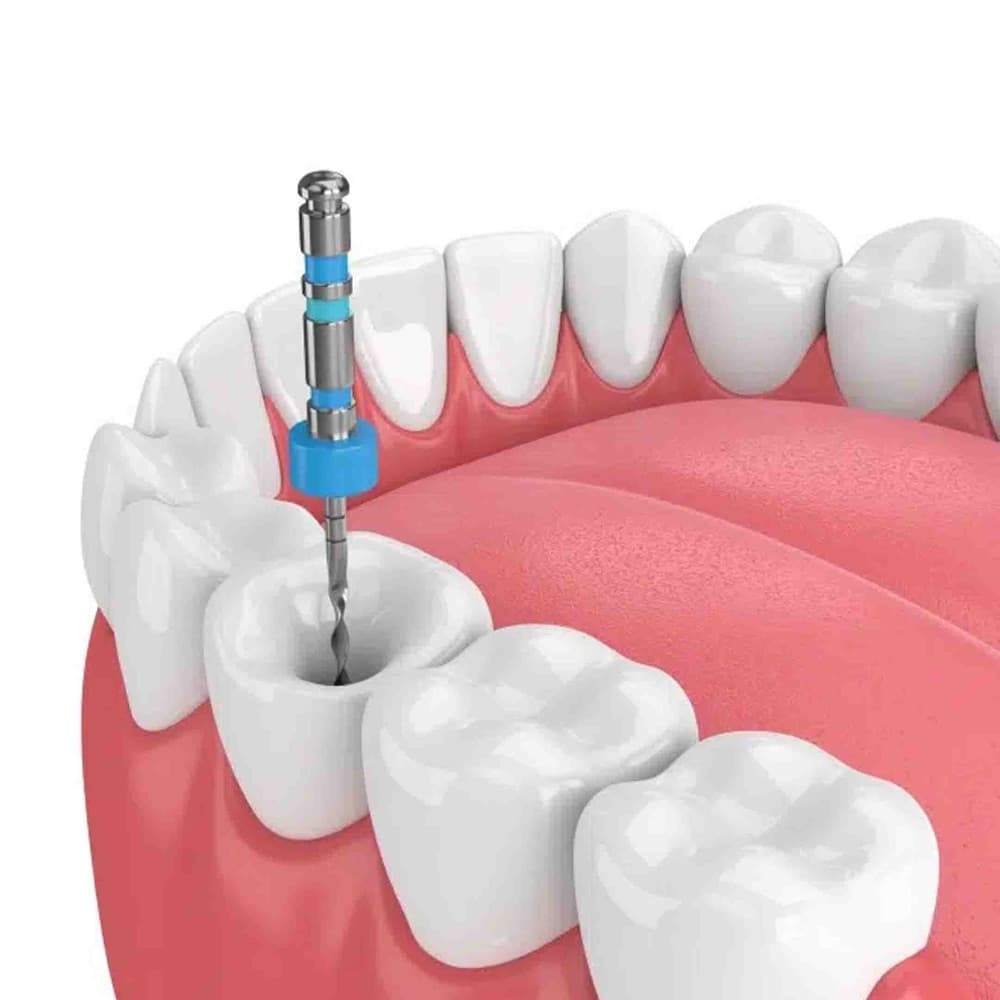
What are the risks of a root canal?
Usually, it is a safe process, but it carries some risks which are:
- Infection: Sometimes, a new infection can occur, or the previous infection may not be fully cleared.
- Discomfort: Some afterward discomfort or anxiety is normal, but intense or prolonged pain should be immediately discussed with your dentist.
- Swelling: Swelling may occur around the targeted tooth or in the face.
- Healing: In a few cases, the tooth may not heal completely as expected.
- Nerve Damage: The risk of nerve damage is slight, but dentists are the ones who protect themselves from it.
- Allergic Reaction: The fact of the matter is that, very rarely, some people may get allergies from the materials that were used
- Cracked Tooth: Uncommonly, the tooth may develop a crack, requiring further treatment.
- Following Post-Procedure care instructions and consultations with the dentist for proper guidance is compulsory.
Frequently Asked Questions (FAQ)
Do bonded teeth look fake?
No, custom made to exactly match your natural teeth in color and size, the resin actually becomes part of your tooth and looks completely natural. Just like veneers, and your natural teeth, dental bonded teeth can become discolored over time if special care is not taken.
How long does it take for a root canal to fully heal?
Generally speaking, most root canals will take anywhere from one week to two weeks to fully heal, but in some cases, it can take longer.
How long does a root canal last?
Teeth that receive a root canal, and a subsequent filling and crown last about 20 years. Teeth that receive either a filling or a crown after a root canal last around 11 years. Teeth that receive no restorative work after a root canal only last about 6.5 years.
Patients Reviews About Root Canal Therapy
With over 2,700+ Google reviews and an impressive average rating of 4.8, we take great satisfaction in being the top dental clinic in Fresno, California. Our commitment to excellence is shown in the overwhelming testimonials from happy patients who have experienced the best dental care from our dentists on Fresno streets.


Copyright © 2024 Design & Developed by HARAZCo. Ltd