

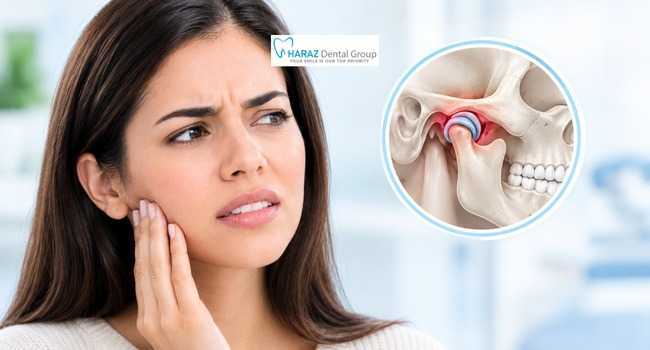
- What Does It Mean When Your Jaw Clicks or Pops?
- Why Does My Jaw Click When I Open My Mouth?
- Common Clicking Jaw Causes
- Is Jaw Clicking a Sign of TMJ Disorder?
- Should I Worry About a Clicking Jaw? Can It Go Away on Its Own?
- When Should You See a Dentist for Jaw Clicking?
- How Is TMJ Disorder Diagnosed and Treated?
- The Bottom Line
You bite into a sandwich, yawn, or open your mouth to talk, and there it is, a click, a pop, sometimes even a grinding sound near your ear. If you've been Googling "why does my jaw click”, you're not alone. Jaw clicking is one of the most common complaints dentists hear, and it usually points to something happening inside your temporomandibular joint (TMJ) ,the small hinge that connects your jawbone to your skull.
The good news? A clicking jaw isn't always an emergency. But it can be an early signal of TMJ disorder (TMD), and understanding the difference matters. Let's break down what's actually going on.
What Does It Mean When Your Jaw Clicks or Pops?
Your jaw joint relies on a small disc of cartilage that cushions movement between the jawbone and skull. When that disc shifts out of its normal position even slightly, it can slip back into place as you open or close your mouth creating the clicking jaw sound you're hearing. Jaw popping happens for a similar reason: pressure builds in the joint and releases suddenly during movement.
This is medically known as disc displacement, and it's one of the most common early TMD symptoms. In many cases, the sound alone isn't dangerous. It becomes a concern when it's paired with pain, stiffness, or the jaw locking open or shut.
Why Does My Jaw Click When I Open My Mouth?
This is one of the most searched questions , it's the moment people notice the problem most. As your mouth opens wide, the jaw joint rotates and slides forward. If the cushioning disc is slightly misaligned, that sliding motion causes the disc to "catch" and then snap back, producing an audible click. It's the same reason many people also notice jaw popping when chewing tougher foods, since chewing puts repeated pressure on the joint.
Common Clicking Jaw Causes
Several everyday habits and health issues can lead to a jaw that clicks or pops, including:
Teeth grinding or clenching (bruxism) – often happens during sleep or stress straining the jaw joint
TMJ disorder (TMD) – the joint itself is inflamed, worn or misaligned
Jaw injury or trauma – a fall, sports impact or whiplash can shift the joint
Arthritis – wear and tear on the joint over time
Misaligned bite or missing teeth – changes how the jaw closes and distributes pressure
Chronic gum chewing or nail biting – repetitive strain on the joint
Is Jaw Clicking a Sign of TMJ Disorder?
This isn’t always the case, but it’s often the first indicator of a problem. Temporomandibular joint disorder represents a broad classification of all disorders that affect the jaw joint and the muscles, along with the nerves surrounding them. Clicks from TMJ are one of the best-known symptoms of TMD; however, the symptom set is often broader than just these sounds, and some common symptoms of TMJ include:
Pain or soreness around the jaw, particularly around the ear
Stiffness of the jaw when waking in the morning or after prolonged talking
Pain in the jaw joining neck or shoulders
Headaches or ear pain with an assumed cause
Inability to open one's mouth wholly or locking of jaw
If clicking occurs with two or more of these, that suggests that seeking medical attention would be better than simply waiting it out.
Jaw Clicking With No Pain vs. Jaw Clicking With Pain
Why does my jaw click but not hurt? In many cases, the disc has shifted just enough to click but the surrounding muscles and joint tissue aren't inflamed yet. This is common and doesn't always require treatment — though it's smart to keep an eye on it.
Why does my jaw click and hurt? Pain usually means inflammation has set in, or the disc displacement has progressed. This is a stronger indicator of active TMJ disorder and shouldn't be ignored, especially if chewing or talking becomes uncomfortable.
Should I Worry About a Clicking Jaw? Can It Go Away on Its Own?
Mild, painless clicking often resolves with simple changes: eating softer foods for a few days, reducing gum chewing, managing stress, and being mindful of clenching. But if clicking is joined by pain, stiffness, or your jaw ever locks, that's your cue to stop self-treating and get it checked.
When Should You See a Dentist for Jaw Clicking?
Book an appointment if you notice:
Jaw pain that lasts more than a week
Your jaw locking open or shut
Clicking that's getting louder or more frequent
Trouble chewing, yawning, or speaking comfortably
Jaw pain following an injury (this may need emergency dental care)
At Haraz Dental Group, our team evaluates the jaw joint, bite alignment, and muscle function to find out exactly what's driving your symptoms, not just treat the noise.
How Is TMJ Disorder Diagnosed and Treated?
Diagnosis typically starts with a physical exam, a review of your bite and jaw movement and sometimes imaging to check the joint itself. From there, treatment is tailored to the cause and can include a custom night guard for clenching, bite adjustment, physical therapy exercises or targeted TMJ/TMD therapy for more persistent cases.
Haraz Dental Group offers dedicated TMJ/TMD therapy for patients across Fresno, Madera, and Tulare, alongside emergency dental care for jaw pain that shows up suddenly or after an injury. Because TMD symptoms vary so much from person to person, a personalized exam beats guessing every time.
The Bottom Line
A clicking or popping jaw is common, and it's not automatically a bad thing. But when it comes with jaw pain, jaw stiffness, or joint pain that won't quit, it's usually your body telling you the TMJ needs attention. Catching TMJ disorder early makes treatment simpler, and a lot more comfortable.
Ready to stop guessing what's causing your jaw pain?Schedule a TMJ evaluation with Haraz Dental Group today with locations in Fresno, Madera, and Tulare, expert care (and relief) is closer than you think.
Frequently Asked Questions
Is it normal for your jaw to click?
Occasional, painless clicking is fairly common and not always a concern. Frequent or painful clicking is not something to ignore.
Can jaw clicking mean I have TMD?
Yes, clicking is one of the earliest and most common signs of temporomandibular joint disorder, though a full evaluation confirms it.
Can TMJ cause jaw popping when chewing?
Yes. TMJ disorder often causes popping or clicking during chewing because the joint disc is shifting out of place under pressure.
When should I see a dentist for jaw clicking?
See a dentist if clicking is paired with pain, stiffness, locking, or has gotten noticeably worse over a few weeks.