

- What Is Oral Cancer Screening?
- Why Oral Cancer Screening Matters
- How Often Should You Get Screened?
- Who's at Higher Risk for Oral Cancer?
- What Happens During an Oral Cancer Screening?
- Signs and Symptoms You Shouldn't Ignore
- When Should You Schedule a Screening Right Away?
- Can Oral Cancer Be Prevented?
- Frequently Asked Questions
- Schedule Your Oral Cancer Screening at Haraz Dental Group
Oral cancer isn't really on most people's radar until it hits close to home. It's easy to zone out during that part of a dental visit, or just figure it's not something that applies to you. The upside is that it's actually one of the more treatable cancers out there when it's caught early — and the exam that makes that possible? You've probably already had it done without realizing what it was. It's called anoral cancer screening and if you've had a checkup lately, chances are you've sat through one.
So how often should you actually be getting screened? Honestly, it depends. Your own risk factors matter more than you'd think, but there are still some solid guidelines worth knowing and that's what we're getting into here.
What Is Oral Cancer Screening?
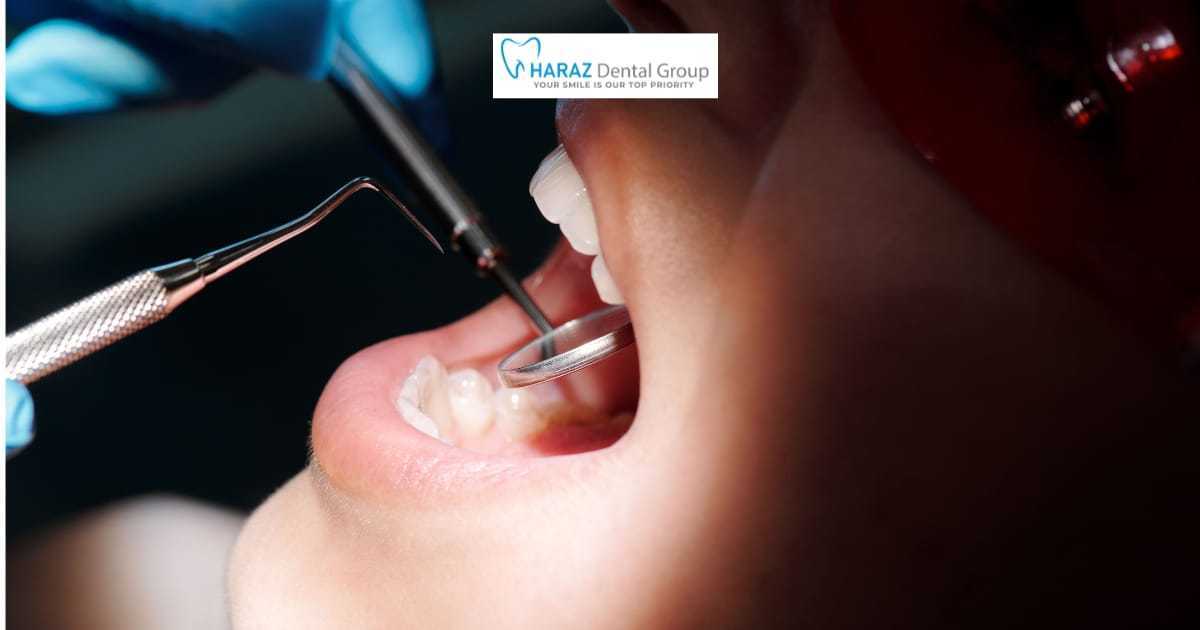
An oral cancer screening is basically a quick, painless look-over — your dentist checks your mouth, throat, tongue and neck for anything that seems off. A sore that won't heal, a patch of discoloration, a lump, tissue that just feels different than it should. Most people don't even realize it's happening as its own thing, since it's usually just part of the regular checkup rather than something scheduled separately.
The whole exam takes maybe a couple of minutes. Your dentist looks closely at your mouth, then feels around your jaw, neck and the floor of your mouth to check for anything unusual. Some offices bring in special lighting or dyes to help spot abnormal tissue, but honestly, a trained eye doing a careful visual check picks up most concerns without needing any of that extra equipment.
Why Oral Cancer Screening Matters
What tends to catch people off guard is that oral cancer usually doesn't hurt, at least not at first. There's no dramatic symptom that sends you racing to the dentist. A small white patch or a sore that's sticking around a bit too long is easy to write off, especially since most minor mouth issues heal up on their own within a week or two.
That's exactly why screenings matter so much — because it tends to progress quietly. Catch it early, before it's had a chance to spread and survival rates go up significantly. A screening isn't only about finding cancer either; it also picks up precancerous changes, which gives you and your dentist a real shot at handling something small before it turns into something much bigger.
How Often Should You Get Screened?
This is really the question most people came here for and unfortunately, there's no single answer that applies to everyone.
Average-Risk Patients
If you don't smoke, drink alcohol only occasionally and have no family history of oral cancer, once a year is generally enough. This usually happens automatically as part of a routine dental exam, so if you're already keeping up with your checkups, you're likely covered without needing to think about it separately.
High-Risk Patients
If you fall into a higher-risk category — which we'll break down next — your dentist may suggest screenings every three to six months instead. More frequent checks simply give you a better shot at catching something early, since tissue changes in higher-risk patients tend to move faster.
Not sure where you land? That's worth a conversation at your next visit. Your dentist can look at your personal and family history and put together a screening schedule that actually fits you, instead of a generic timeline.
Who's at Higher Risk for Oral Cancer?
A handful of factors can push your risk up significantly and knowing where you stand helps you and your dentist decide how closely things should be monitored.
Tobacco Use
Smoking and smokeless tobacco remain two of the biggest risk factors out there. The chemicals in tobacco products irritate and slowly damage the cells lining your mouth and that damage raises the odds of abnormal changes developing over time.
Heavy Alcohol Consumption
Frequent, heavy alcohol use is another major contributor on its own and the risk climbs even further when alcohol and tobacco are combined — the two seem to amplify each other's effects.
HPV Infection
Certain strains of HPV have been linked to oropharyngeal cancers and this connection has become a bigger focus in oral cancer research over the last decade. It's part of why HPV vaccination conversations now come up in dental visits, not just pediatric ones.
Age and Family History
Age plays a role too — the older you get, the more common oral cancer becomes. Same with family history; if it runs in your family, your own risk goes up. Neither one is something you can control, obviously, but it's still worth mentioning to your dentist so they can factor it into your screening schedule.
Excessive Sun Exposure (Lip Cancer)
People forget lips are part of this conversation too. Years of sun without any protection can lead to lip cancer, so if you're outside a lot, it's worth keeping an SPF lip balm on hand.
What Happens During an Oral Cancer Screening?
Honestly, there's nothing to stress about here. Your dentist takes a quick look inside your mouth — cheeks, gums, tongue, roof and floor of the mouth — then feels around your jaw and neck for anything out of the ordinary. Two minutes, tops and it doesn't hurt one bit. Most of the time it blends so seamlessly into your regular checkup that you don't even clock it as a separate thing.
Signs and Symptoms You Shouldn't Ignore
Between screenings, it's worth keeping half an eye on your own mouth. A few things are worth flagging to your dentist sooner rather than later:
A sore that hasn't healed after about two weeks
Red or white patches inside your mouth
Unexplained bleeding or numbness
A lump or thickened patch of tissue
Ongoing difficulty chewing, swallowing or moving your jaw comfortably
A change in your voice that doesn't clear up on its own
More often than not, these turn out to be something minor, but they're worth getting checked rather than waiting to see if they go away.
When Should You Schedule a Screening Right Away?
If any of those symptoms are still there after a couple of weeks, don't just wait it out until your next cleaning — go ahead and book something sooner. Same goes if you smoke or drink regularly and can't remember your last screening. Honestly, when you're not sure, it's always worth just getting it checked.
Can Oral Cancer Be Prevented?
There's no foolproof way to prevent oral cancer entirely, but you can meaningfully lower your risk. Cutting back on or avoiding tobacco, moderating alcohol intake, protecting your lips from sun exposure and staying current with the HPV vaccine, if it's appropriate for your age, all make a real difference. Keeping up with regular dental visits matters too, since early changes get picked up quickly and that's often the single biggest factor in a good outcome.
Regular checkups matter for more than cavities and cleanings. They're also how issues like thewarning signs of a root canal tend to get caught early, before they turn into something more painful down the line.
Frequently Asked Questions
Is an oral cancer screening painful?
Not at all. It's a simple visual and physical exam that takes just a few minutes and involves zero discomfort.
How long does an oral cancer screening take?
Usually just two to five minutes, since it's typically bundled into your regular dental checkup rather than scheduled separately.
Does a suspicious spot always mean cancer?
No and this is worth repeating since it causes a lot of unnecessary worry. Most unusual spots or sores are harmless, often from minor irritation or a small injury. Your dentist will let you know if something needs a closer look.
Should I get screened if I have no symptoms?
Yes. Oral cancer often doesn't cause noticeable symptoms in its early stages, which is exactly why routine screenings matter even when everything feels fine.
Is oral cancer screening included in a routine checkup?
In most cases, yes. It's typically built right into your regular dental exam, so there's usually no need to schedule a separate appointment just for this.
Schedule Your Oral Cancer Screening at Haraz Dental Group
Staying on top of your oral health means more than avoiding cavities — it means catching the things that don't always announce themselves. If it's been a while since your last checkup or you're not sure where you fall on the risk spectrum, the team at Haraz Dental Group is here to help. Schedule your visit today and take a few minutes for a screening that could make a real difference down the road.