

- What Is a Root Canal Treatment?
- What Are the Signs That You May Need a Root Canal?
- What Causes the Need for a Root Canal Treatment?
- How Dentists Determine If a Root Canal Is Needed
- What Happens During a Root Canal Procedure?
- What Happens If Root Canal Treatment Is Delayed?
- When Should You See a Dentist?
- Frequently Asked Questions
You know that feeling when a tooth starts acting up and suddenly it's all you can think about? It throws off your meals, ruins your sleep, and somehow finds its way into your thoughts at the worst moments. Most of the time it's nothing major. But every so often, that ache is your tooth waving a flag at you, and ignoring it just means dealing with something bigger — and pricier — down the road.
So if you've got that nagging discomfort and you're stuck wondering "is this just sensitivity or something worse?" — let's get into it.
What Is a Root Canal Treatment?
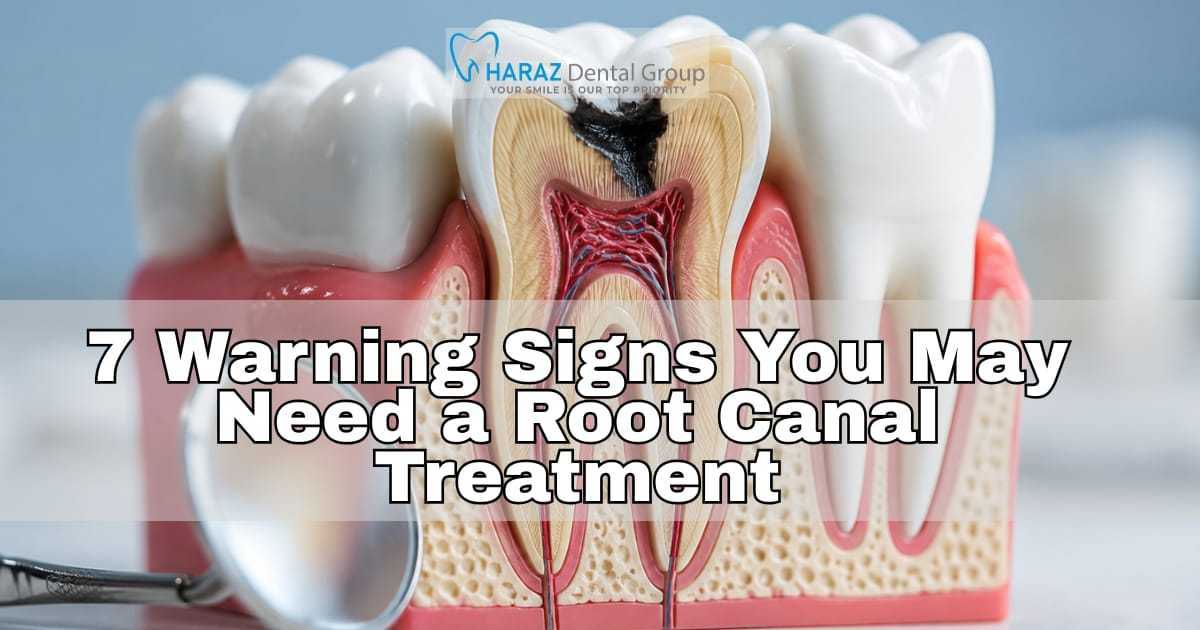
A root canal treatment is a procedure that treats infection or inflammation inside the pulp, which is the soft tissue tucked inside your tooth. The dentist removes the damaged or infected pulp, cleans and disinfects the inner chamber and root canals, then seals everything back up so infection can't return. A crown is usually placed afterward for protection.
In simple terms, a root canal is what saves your tooth instead of pulling it. And despite the scary reputation, a modern root canal feels a lot like getting a filling done.
What Are the Signs That You May Need a Root Canal?
Your teeth usually give you some warning before things get bad. Here's what to watch for.
1. Persistent Tooth Pain When Chewing or Biting
A little sensitivity now and then? Totally normal. But if biting down causes a sharp or dull ache every time, and it sticks around afterward, that's usually coming from somewhere deeper — like the nerve. This is honestly one of the most common reasons people finally give in and book an appointment.
2. Sensitivity to Hot and Cold That Doesn't Go Away
Ice cream giving you a quick zing? Fine, that happens to everyone. But if your coffee or a glass of cold water leaves your tooth aching for 30 seconds or longer after you've finished, that's worth paying attention to. That kind of lingering pain often means the nerve inside is irritated or starting to die off — and that's a pretty classic sign a root canal might be needed.
3. Swollen or Tender Gums
Take a look at the gum around the tooth that's bothering you. Does it look puffier than the rest, or feel tender if you press on it? That can point to an infection sitting at the root. And here's the annoying part — it can come and go. People often think it healed up on its own, but the infection's usually still there, just hiding for a bit.
4. Tooth Discoloration or Graying
If a tooth starts looking grayish, darker yellow, or even black next to the others, that's usually a sign the inside has taken some damage — often from an old knock or a deep infection that cut off blood flow to the tooth. And no, whitening won't touch this. The problem's coming from inside, not the surface.
5. Pimple or Drainage Near the Affected Tooth
This one's a bit gross but worth knowing about. Sometimes a little bump shows up on the gum, almost like a pimple — people call it a "gum boil." It might leak a bit of pus every now and then, leave a weird taste in your mouth, and then seem to go away before popping back up later. It's actually one of the clearer signs of infection, even if it barely hurts.
6. Cracked or Chipped Tooth
Cracks happen — biting something hard, a hit during sports, or just years of grinding your teeth without realizing it. Even a crack you can't see can let bacteria sneak in toward the pulp, and over time that turns into an infection. So if you've chipped or cracked a tooth recently and now it's sensitive or sore, don't just wait it out.
7. Deep Decay or Infection
Sometimes a cavity grows quietly for ages, getting deeper and deeper until it's right up against the pulp before you even feel anything. Your dentist might catch this on a routine check before you've noticed a thing. Catching it at this stage can be the difference between needing a simple filling or something more involved.
What Causes the Need for a Root Canal Treatment?
A few usual suspects tend to be behind it:
Cavities that went untreated and slowly worked their way toward the pulp
The same tooth getting worked on over and over through the years, weakening it bit by bit
Cracks or chips giving bacteria a way in
Old trauma — even from years back — that damaged the tooth from the inside
Once bacteria get into the pulp, your body's pretty much stuck. The pulp is sealed off inside the tooth, so there's nowhere for the infection to go except to keep building.
How Dentists Determine If a Root Canal Is Needed
Honestly, this part is way less scary than people expect. Your dentist will ask what's been going on, then do a quick hands-on check — tapping gently on the tooth, testing how it reacts to hot and cold, and taking an X-ray to see what's happening below the gumline.
That X-ray really is the key bit, because a tooth can look completely fine on the surface while something's clearly going on underneath. It's also how the team at Haraz Dental Group rules out other causes, like a sinus issue or a problem with a neighboring tooth, before deciding on a root canal.
What Happens During a Root Canal Procedure?
If your dentist decides a root canal is the way to go, here’s roughly what you’re in for:
The area gets numbed up with local anesthesia
A small opening is made at the top of the tooth
The infected or damaged pulp gets removed
The inside gets cleaned, shaped, and disinfected
The canals get filled and sealed so it doesn't get reinfected
A crown usually goes on afterward for protection
After treatment, patients often need oral care products like filling-safe toothpaste, sensitivity relief products, and recovery essentials. You can explore dental care supplies at Dentistry99 for post-treatment support products.
What Happens If Root Canal Treatment Is Delayed?
Putting it off doesn't make it go away — it just gives the infection more time to spread. Left alone, you're looking at:
More pain as time goes on
A bigger, more painful abscess
Bone loss around the root
The infection spreading to nearby teeth, gums, or even other parts of your face
And if it gets bad enough, the tooth might not be saveable anymore, leaving extraction as the only option. Getting it sorted early really is your best shot at keeping your natural tooth.
When Should You See a Dentist?
If any of this sounds familiar — lingering sensitivity, pain when you bite, swelling around one tooth — don't sit on it too long. Even symptoms that come and go can mean something's quietly getting worse underneath.
The team at Haraz Dental Group can take a look, run any X-rays needed, and walk you through exactly what's going on and what your options are, so you're not left guessing or putting off something that's only going to get harder to fix.
Frequently Asked Questions
How Can I Tell If I Need a Root Canal?
Watch for lingering sensitivity to hot or cold, pain when chewing, swollen or tender gums, a tooth that's getting darker, or a small bump near the gumline. That said, some infections don't show any symptoms at all — which is part of why regular checkups and X-rays matter even when everything feels totally fine.
What Happens If I Don't Get a Root Canal?
Things tend to get worse rather than better on their own. You're looking at more pain, a bigger abscess, bone loss around the tooth, and eventually losing the tooth altogether. In some cases, an infection left untreated can even spread beyond your mouth and become a bigger health concern.
Is Root Canal Treatment Painful?
Not really — the local anesthesia keeps you numb the whole time. Funnily enough, most of the pain people associate with root canals actually comes from the infection beforehand, not the procedure itself. Afterward you might feel a bit sore for a day or two, but that fades pretty quickly.
Can a Root Canal Save My Natural Tooth?
Yep, that's the whole point. Clear out the infection, seal it up, and you keep your natural tooth instead of losing it. Add a crown on top for protection, and that tooth can keep going strong for years with normal care.
Does a Root Canal Hurt?
Most people feel little to nothing during the actual procedure thanks to the numbing — a lot of folks compare it to a routine filling. Any soreness afterward is usually mild, short-lived, and honestly nothing compared to the toothache that brought them in to begin with.